Here's what long-term stress actually does to your body
Let's be real. When you've been under sustained pressure for months or years, pleasure doesn't just feel less intense. It feels like it's happening behind glass. You can see it, maybe even reach for it, but the sensation doesn't quite land the way it used to.
That's not broken. That's your nervous system doing exactly what it's designed to do: prioritizing survival over sensation. Chronic stress keeps your body in a low-level fight-or-flight state, which means blood flow pools in your core muscles and brain, not in your skin and nerve endings. Your clitoris literally gets less blood. Your nerve endings fire less readily. And your brain, exhausted from managing stress hormones, stops processing pleasure signals with the same clarity.
The good news is that this isn't permanent. And lemon clitoral vibrators are specifically useful here because of how they interrupt this pattern.
Why regular vibrators don't always cut it after chronic stress
Most vibrators rely on you having some baseline sensation to begin with. They send vibration into tissue that's already somewhat responsive. When you're coming out of deep stress, that tissue is quiet. The nerve endings are sluggish. You need something that doesn't wait for the body to show up halfway. You need something that creates unmistakable sensation from the first moment.
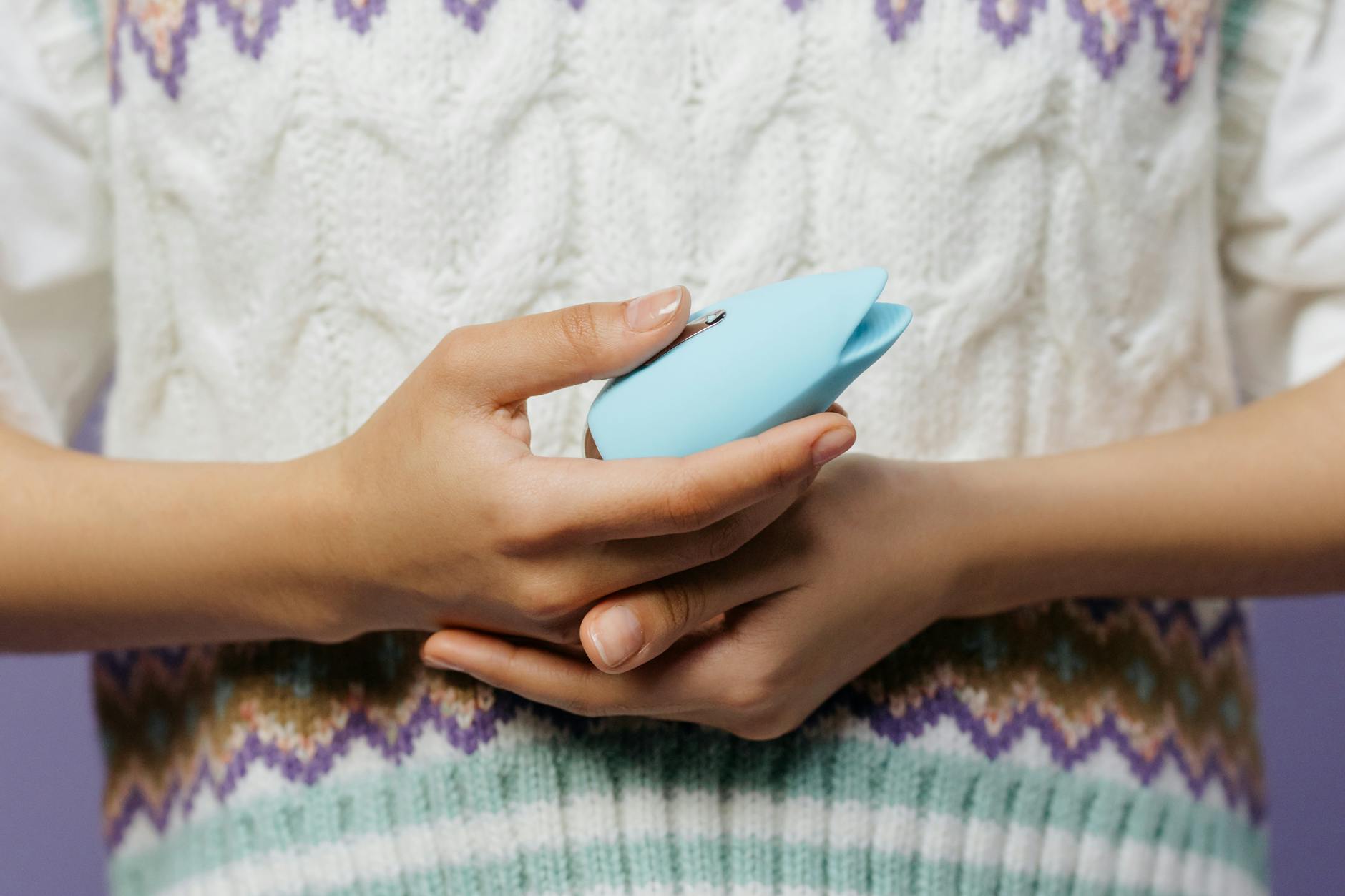
That's where the technology in lemon vibrators matters. Air-suction clitoral vibrators like the Lem work by creating gentle suction rather than direct vibration. This approach stimulates a broader field of nerve endings at once and creates a sensation pattern that's harder for a stressed nervous system to ignore. It's not aggressive. It's just insistent enough that your body registers it clearly.
How the Lem specifically helps rewire sensation pathways
When you've been stressed for a long time, your body has learned to tune out subtle signals. Whispers don't reach you. But suction is different. It's a pull, a rhythm, a pattern that engages multiple nerve clusters simultaneously. For someone rebuilding sensation after stress, this multi-point stimulation is more effective than a single-frequency buzz.
Here's the practical reality: you're not using a lemon vibrator just for the orgasm (though that's the goal). You're using it to teach your body that pleasure signals are safe again. That they matter. That they deserve attention. Each time you use it, you're essentially retraining your nervous system to register and respond to sensation.
Most of my clients report that the first few sessions feel a bit mechanical. Then something shifts. The body remembers what pleasure feels like, and the pathway from sensation to response starts clearing again.
The stress-numbing cycle and how to interrupt it
Long-term stress doesn't just affect your body. It affects your relationship with your body. You start bracing against sensation rather than opening to it. Your pelvic floor tightens. You breathe shallowly. You develop a kind of protective numbness that was useful when you needed to keep functioning, but now works against you.
The way to interrupt this cycle isn't through force. It's through consistent, gentle reintroduction of sensation. This is where patience matters more than intensity.
I recommend starting with the Lem on the lowest setting (pattern 1 or 2) for 15-20 minutes, even if nothing happens. No pressure for orgasm. No expectation of feeling anything dramatic. Just rhythm and consistency. Your nervous system is learning that this time is safe. That sensation is safe.
Many people find that after two or three weeks of regular practice, sensation starts returning. The numbness doesn't lift all at once. It's more like a fog clearing. Slowly, then suddenly.
Combining lemon vibrators with nervous system recovery
Vibrators are tools, not magic. They work best when paired with other practices that tell your nervous system it's safe to come down from high alert.
Here are three things that make a real difference:
Breath work before and during. Your breath is the fastest way to signal safety to your vagus nerve. Before using the Lem, spend two minutes doing slow, deep breathing. Then during, try to maintain that rhythm. You're not trying to perform. You're signaling to your body that this is a safe container.
Consistency over intensity. Using the Lem twice a week at low intensity beats using it sporadically at high intensity. Your nervous system responds to regular, predictable inputs. Especially when you're recovering from stress, this rhythm matters more than the sensation itself.
Solo exploration first. If you have a partner, resist the urge to jump straight into partnered play. Stress recovery works better when you're rebuilding your relationship with your own pleasure first. Give yourself 2-4 weeks of solo practice before involving someone else.
When sensation starts returning (and what it actually feels like)
People often expect pleasure to come back the way it left. As though someone will flip a switch and suddenly everything feels like it did five years ago. That's not usually how it works.
Instead, sensation returns in layers. First, you might notice a subtle tingling that wasn't there before. Then a growing sense of warmth. Then, maybe a week or two in, actual arousal starting to build more reliably. Orgasms, when they come, might feel different than they used to. Smaller, sometimes. Or differently textured. This is normal. Your body has changed. That doesn't mean it's less capable of pleasure. Just different.
Most of my clients report that pleasure after stress recovery tastes better somehow. Because you've earned it back. Because you're not taking it for granted.
What to do if sensation still isn't returning after a month
If you've been consistent with the Lem and nothing's shifting after four weeks, two things are worth considering.
First, talk to your doctor. Certain medications, hormonal imbalances, or underlying conditions can suppress sensation independently of stress. It's worth ruling those out. Second, consider whether the stress itself is still active. If you're still in the high-pressure situation, your nervous system won't fully downregulate no matter what tool you're using. Sometimes the work isn't about the vibrator. It's about changing the circumstance.
That said, many people use the Lem as part of their stress recovery toolkit precisely because it gives them something they can control. Even when external circumstances are chaotic, you can control this one hour of the week where you're prioritizing your own sensation and pleasure. That agency matters.
People also ask
How long does it take for sensation to come back after chronic stress?
For most people, noticeable changes appear within 2-4 weeks of consistent practice with tools like lemon clitoral vibrators. Full sensation recovery usually takes 8-12 weeks, depending on how long the stress lasted and how deeply it affected your nervous system. Think of it like physical therapy. You don't regain full range of motion in a week, but you notice improvement quickly. Patience is the operative word here.
Can I use lemon vibrators while I'm still under stress, or do I need to fix the stress first?
You don't need to wait for perfect circumstances. In fact, using a lemon vibrator while you're still dealing with stress can be part of your recovery. It's one of the few things you can control, and that control itself is calming to your nervous system. The key is not expecting it to work like a magic wand. It's one part of a larger stress management strategy.
Why does air-suction feel different than regular vibration when I'm numb from stress?
Because suction engages multiple nerve endings across a broader area at once, whereas traditional vibration is often more concentrated. When sensation is muted by stress, that simultaneous multi-point stimulation is easier for your nervous system to register and process. It's like the difference between someone tapping your arm versus gently pulling it. The pull gets your attention more reliably.
Will using lemon vibrators help my partner understand what I'm going through?
A tool itself won't bridge that gap, but it can create a conversation. Using a lemon vibrator gives you concrete language for what's happening. You can say, "I'm rebuilding sensation," instead of the vague "I'm just not interested right now." For some couples, learning together about how stress affects pleasure is actually what reconnects them. Learn more about how to use lemon vibrators with a partner after loss of desire for specific communication strategies.
Can I use a lemon vibrator if I'm also taking antidepressants?
Yes. Antidepressants do sometimes affect sensation, but they work through a different mechanism than stress. Using the Lem doesn't interact with medication. That said, if sensation loss is tied to your medication, the vibrator alone might not fully restore it. Worth having that conversation with your doctor. Many people find that as their stress decreases and their brain chemistry stabilizes, sensation returns naturally, especially with consistent external stimulation like what lemon clitoral vibrators provide.
Is it normal for orgasms to feel different after stress recovery?
Completely normal. You're not the same person you were before the stress. Your body has recalibrated. Orgasms might arrive faster or slower. They might feel more localized or more diffuse. They might be quieter or more intense. All of that is fine. The goal isn't to recapture what was. It's to build a new relationship with pleasure that fits who you are now. If you're exploring new sensation patterns, this guide on how to use lemon vibrators when you're not sure about your pleasure preferences might help.
The bigger picture: stress, sensation, and self-permission
Here's something I tell my clients that matters more than any technique. Your body didn't break because of stress. It adapted. It learned to survive. And now you're asking it to risk vulnerability again by opening to sensation. That's brave. That deserves to be acknowledged.
Using a lemon vibrator is part of that process, but so is giving yourself permission to prioritize your own pleasure when you're coming out of a high-stress period. It's radical, actually. Especially for people who've been in crisis mode. Pleasure starts to feel frivolous or indulgent. It's not. It's a sign that your nervous system is healing. It's proof that safety is returning.
Start low. Stay consistent. Give your body time. And notice what returns, not just physically, but in how you relate to yourself. That's where the real recovery happens.
If you're ready to take the next step in reclaiming your pleasure, reach out. There's no rush. Just rhythm.