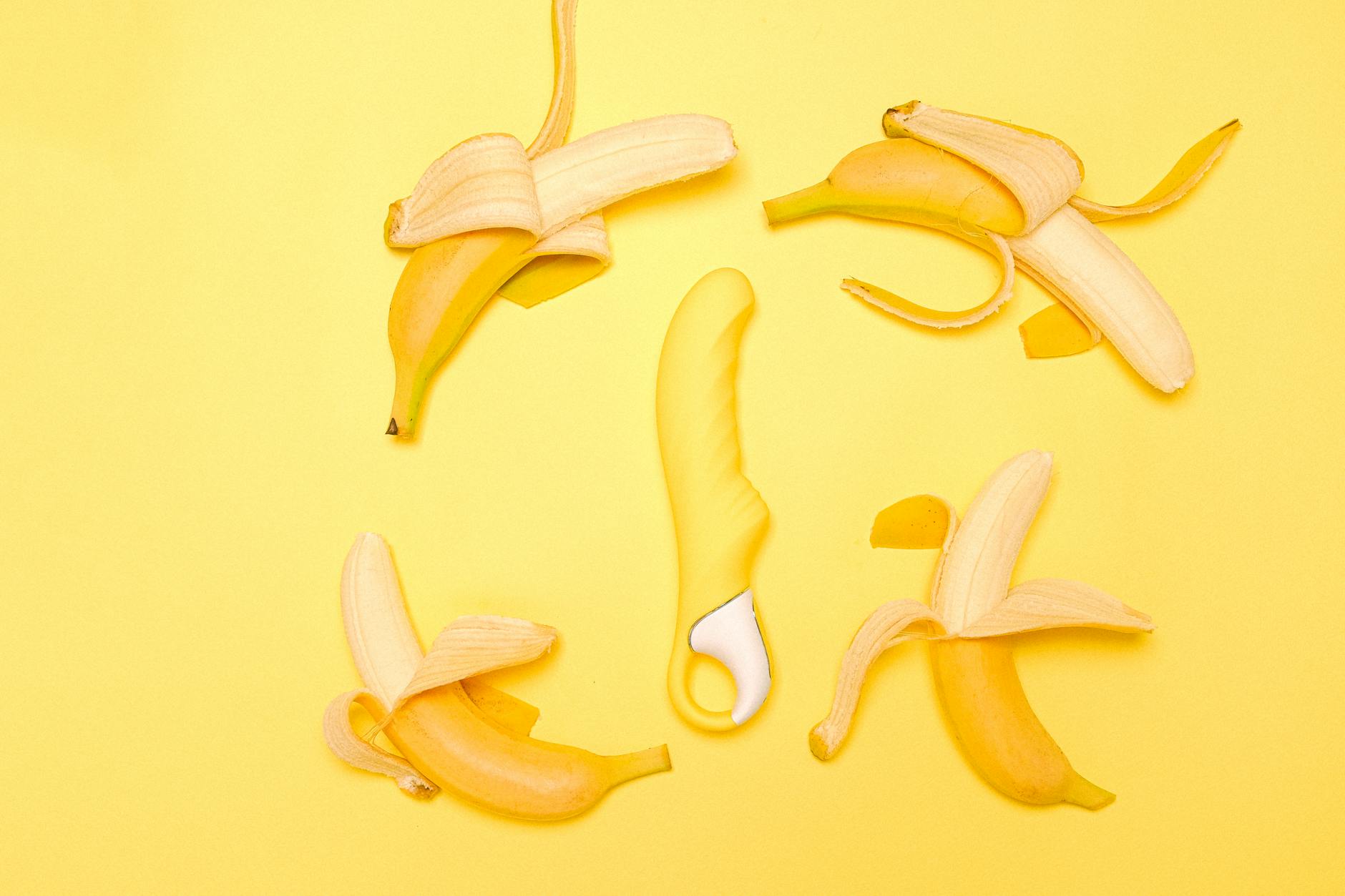
The thing nobody tells you about menopause and orgasms
Let's be real. When menopause arrives, pleasure doesn't vanish overnight. What actually happens is messier and, honestly, more interesting than that.
Your body goes through specific physiological shifts. Estrogen drops. Tissue thins. Lubrication changes. Blood flow patterns shift. But here's what gets lost in most menopause conversations: the neural pathways for pleasure stay intact. The clitoris doesn't shrink. Your brain's capacity for orgasm doesn't disappear. You're not broken.
What shifts is the mechanism. And once you understand that mechanism, you can work with it instead of against it.
What estrogen actually controls (and doesn't)
Estrogen does four things to genital tissue that matter for sensation and pleasure:
1. Vaginal and vulvar blood flow. Estrogen maintains the network of capillaries that deliver blood to your genitals. During arousal, blood flow creates engorgement, warmth, and that full, sensitive feeling. When estrogen drops, blood flow decreases. Tissue takes longer to plump up and respond to stimulation.
2. Tissue thickness and elasticity. The vaginal lining and vulvar skin get thinner and less flexible with lower estrogen. This means friction that once felt good might feel uncomfortable. Stretched tissue also means decreased sensation overall. It's not that nerves die. It's that there's less tissue for them to work with.
3. Natural lubrication. Your body simply produces less vaginal fluid. Estrogen triggers mucus glands to secrete; without it, everything stays drier. Dryness increases friction, which can hurt and also dulls sensation because nerve endings aren't being stimulated smoothly.
4. Pelvic floor muscle tone. Estrogen supports the tissues around your pelvic floor. When it drops, those muscles lose some elasticity and tone. Orgasms might feel less intense or more concentrated because the muscles have less flexibility to contract and release in their usual rhythm.
But here's what estrogen does NOT control:
Clitoral nerve density. Brain capacity for arousal. Your ability to experience pleasure. The psychological arousal response. The fantasy centers of your brain.
Those are all still there, fully operational.
Why sensation feels distant
The gap between what you used to feel and what you feel now is partly physical, partly contextual. Physiologically, reduced blood flow and thinner tissue genuinely mean less stimulation reaches your nerves. You need more direct, consistent stimulus to wake up sensation.
But there's also a psychological layer. If you've been told "menopause ends your sex life," you might approach pleasure with less anticipation or confidence. That nervous system state matters. Anxiety constricts blood vessels further. Resignation becomes a self-fulfilling prophecy.
The good news: lemon clitoral vibrators are specifically designed to solve the physical part of this equation. They work by creating sustained suction and vibration directly on the clitoris, bypassing the need for traditional friction or engagement of the vaginal opening. For post-menopausal bodies with thinner tissue and reduced natural lubrication, this approach works wildly well.
How lemon clitoral vibrators work differently on post-menopausal tissue
A traditional vibrator relies on friction and speed. You need enough natural lubrication and enough thickness in the surrounding tissue for that friction to feel good rather than raw. Post-menopause, that's harder to achieve.
A lemon vibrator (like the Lem, Shop Lemon Vibrator's clitoral vibrator) uses air-pulse suction technology instead. Here's why that matters:
Suction creates consistent pressure without friction. The sensation reaches your nerve endings through the pulse itself, not through rubbing. This means thinner, drier tissue doesn't get irritated. You get stimulation without the burn.
Suction works with reduced blood flow. Even if blood flow to your clitoris takes longer to build, the suction creates a kind of mechanical engorgement. It draws blood into the tissue while simultaneously stimulating the nerves. You get sensation faster and more reliably than you might with a traditional vibrator.
Suction is gentler on the pelvic floor. Post-menopausal pelvic floor muscles sometimes get tense or stuck. Suction doesn't require you to grip or contract; it actually encourages relaxation, which paradoxically leads to stronger, more satisfying orgasms.
Intensity is controllable without starting over. With friction-based vibrators, speed is often your only variable. With suction, you adjust intensity while keeping the same consistent rhythm, which helps build sensation gradually.
Many of my clients report that their most intense orgasms come after menopause. Not fewer. Not weaker. More focused, sometimes longer, sometimes more intense. The mechanism is different, but the capacity is still there.
The adjustment period (it's real, and it's normal)
The first time you use a lemon clitoral vibrator post-menopause, you might think "nothing's happening." That's usually not true. What's happening is that sensation is rebuilding after a long period of reduced stimulation. Your nervous system might need to reacquaint itself with intense clitoral stimulation.
Here's what I recommend:
Start with lower intensity settings. Explore for 10-15 minutes without a goal. Let your body remember what direct clitoral stimulation feels like. It's not laziness. It's recalibration.
Use water-based lubricant even though suction doesn't strictly require it. The extra glide helps your tissues feel more resilient and makes the sensation easier to feel.
Budget longer warm-up time overall. Before using the lemon vibrator, spend 20-30 minutes on other kinds of touch. Slow, full-body sensation work primes your nervous system and draws blood to your genitals naturally.
Pay attention to positioning. Lying on your back with legs extended feels different than lying on your side or with hips tilted. Experiment. Your new sensation baseline might prefer a different angle than you're used to.
Give it at least 3-4 sessions before deciding whether it's working for you. Pleasure is partly physical and partly psychological. Your brain needs time to build new pathways of expectation.
When hormone support matters alongside tools
If you've been using lemon clitoral vibrators consistently for 4-6 weeks and sensation still feels muted, it might be worth discussing topical estrogen with your doctor. Genitourinary syndrome of menopause (GSM) is real and treatable. A low-dose vaginal estrogen cream or tablet can restore some tissue thickness and lubrication within 2-3 weeks.
I'm not suggesting that a vibrator replaces medical care. I'm suggesting they work together. If your tissue is significantly atrophied, stimulation alone sometimes can't overcome that. But once you restore some tissue health with a topical cream, a lemon clitoral vibrator becomes exponentially more effective because there's more tissue for your nerves to work with.
Some people find that testosterone therapy also helps. Testosterone fuels desire across all bodies, and it drops at menopause too. If you've lost interest in pleasure alongside the physical changes, low-dose testosterone might be worth exploring with a menopause-trained clinician.
Tools and medicine aren't either-or. They're both parts of the same goal: restoring pleasure to a body that's earned it.
Reframing this transition
Here's what I tell my clients: menopause is not a closing door. It's a turning point. For decades, you might have calibrated pleasure around a partner's pace, fertility concerns, or how much time you had before kids came home from school. Post-menopause, a lot of that pressure lifts.
Your body is different, yes. Thinner tissue, less lubrication, slower blood flow. But your mind is sharper, your time is more yours, and your permission to prioritize yourself is clearer.
Lemon clitoral vibrators are tools for that transition. They're not Band-Aids for a broken system. They're bridges to a system that's shifted but is far from finished.
If you're just returning to pleasure after a long gap, consider exploring with <a href="/blog/how-to-use-lemon-vibrators-when-youre-getting-back-into-sex-after-a-long-gap">how lemon vibrators ease you back into pleasure after a long gap</a>. Or if depression or stress has dulled sensation, understanding <a href="/blog/how-lemon-vibrators-help-with-sensation-when-you-have-low-libido-from-stress">how lemon vibrators help with sensation when stress has flattened desire</a> might help you rebuild from there.
Frequently asked questions
How quickly do lemon clitoral vibrators start working after menopause?
Some people feel a difference in the first session. Most need 3-5 sessions to notice real changes. Your nervous system is recalibrating, not starting from zero. Be patient with the process. If you're not feeling anything by week 3 of regular use, check that you're using lower intensity settings initially (the temptation to jump to high settings is real, and it often backfires) and that you're spending enough time on non-goal-oriented exploration. Pleasure rebuilt after menopause isn't about chasing an orgasm. It's about rebuilding sensation.
Do I need estrogen therapy if I'm using lemon clitoral vibrators?
Not necessarily. Some people find that vibrator alone restores enough sensation. Others need both. If you've been exploring consistently for 6-8 weeks and sensation still feels minimal, that's when a conversation with your doctor about topical estrogen makes sense. It's not an either-or choice. Tools and medicine work together.
Can suction vibrators hurt thinner post-menopausal tissue?
Not if you're using them correctly. Start at the lowest intensity settings. Use water-based lubricant. Avoid skin-to-skin suction without something between you and the device (silicone creates a seal; skin is gentler than metal or hard plastic). If you experience pain or soreness afterward, you went too intense too fast. Scale back. Thinner tissue needs gentler introduction, but it's not fragile. It's just different.
Is it normal for orgasms to feel different after menopause?
Completely normal. Orgasms often feel more localized because pelvic floor muscles have less flexibility. Some people experience them as deeper, more concentrated. Others describe them as feeling more cerebral (more mental, less full-body). None of these variations mean something's wrong. You're just experiencing a different physiological pattern. Give it time to feel familiar again.
Should my partner use a lemon vibrator on me or should I use it alone first?
Alone first, every time. You need to know your own baseline before asking someone else to navigate it with you. Self-exploration teaches you what intensity, timing, and positioning work for your new post-menopausal body. Then you can guide your partner, which is infinitely more effective than them guessing. Plus, there's something valuable about rebuilding your own pleasure relationship with yourself before you share it.
What if lemon clitoral vibrators don't work for me?
Then you have data. Suction-based stimulation works for most bodies, but not all. Some people need more traditional vibration. Some need wand-style vibrators instead. Some need a completely different approach. If the lem vibrator isn't it, try exploring <a href="/blog/how-to-use-lemon-vibrators-when-you-have-high-sensation-sensitivity">how different lemon vibrator settings work for varied sensitivity</a> or reach out to <a href="/contact">Shop Lemon Vibrator's contact team</a> for personalized guidance. Your pleasure matters enough to get specific help.
The bottom line
Menopause changes your body's mechanism for pleasure. It doesn't end pleasure itself. Lemon clitoral vibrators work with post-menopausal physiology instead of against it. They bypass the friction-dependent approach that becomes uncomfortable with thinner tissue and reduced lubrication. They stimulate your clitoris directly, consistently, and gently.
Your best orgasms might actually be ahead of you, not behind you. That's not polite fiction. It's a clinical pattern I've seen repeatedly. You've earned the time, the permission, and the knowledge to prioritize yourself. Your body is ready. You just need the right tool.