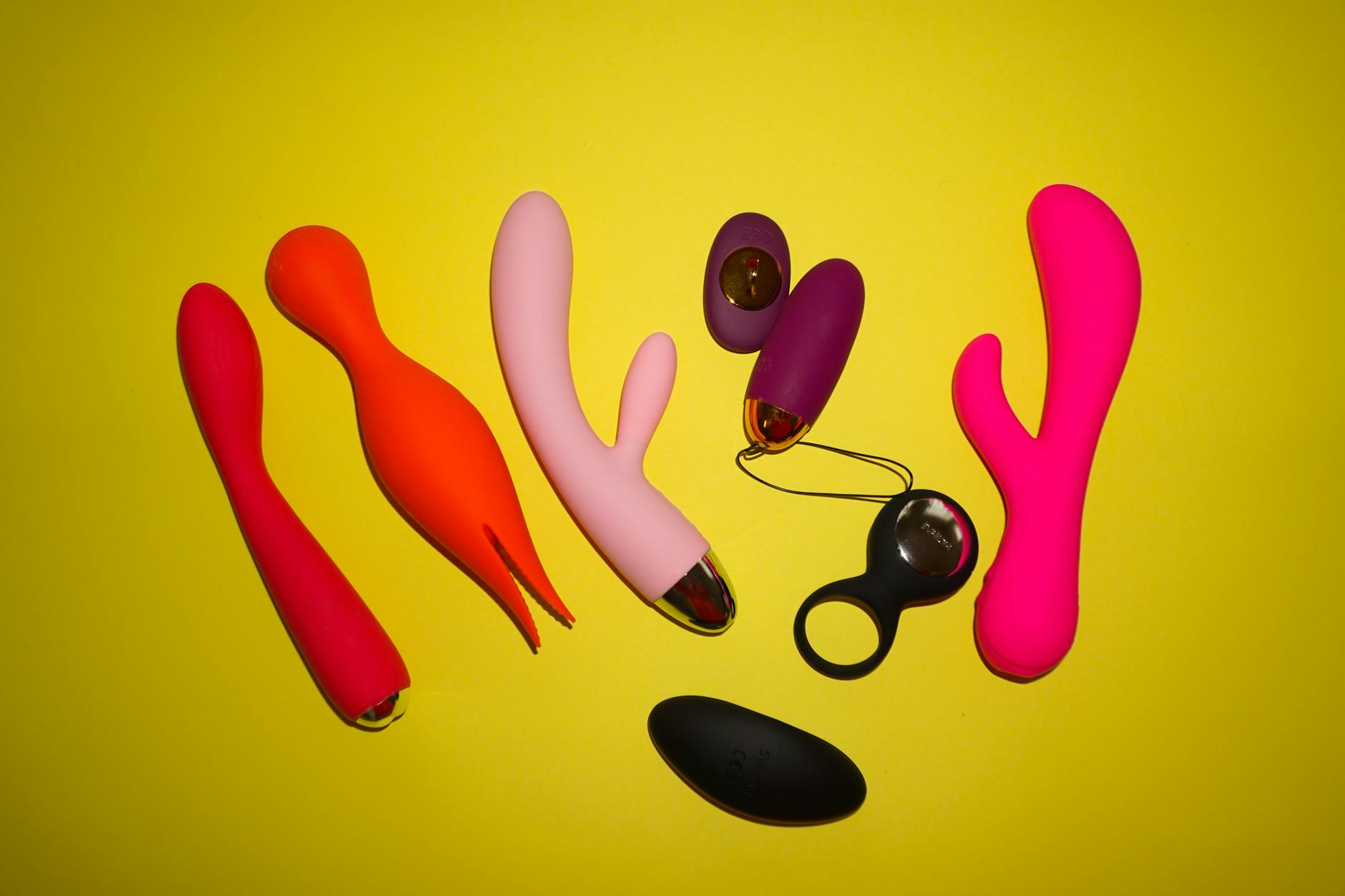
Let's start with what anxiety actually does to your body
Anxiety doesn't just live in your head. It lives in your nervous system, and when your nervous system is in overdrive, sensation gets muted. Your brain treats your body like background noise and focuses on threat detection instead. The result? You can physically feel touch, but you don't register it the way you normally would. It's like the volume on pleasure got turned way down.
This is called dissociation or somatic numbing, and it's wildly common. People describe it as feeling detached from their body, like they're watching themselves instead of inhabiting themselves. During sex, it shows up as "I can feel them touching me, but I'm not really here" or "I'm trying to relax but my mind keeps jumping away."
Why anxiety breaks the pleasure feedback loop
Here's the physiology. Pleasure requires what neuroscientists call "interoceptive awareness" - basically, your brain paying attention to what your body is actually feeling. When anxiety hijacks your nervous system, your brain deprioritizes that feedback. Your attention gets funneled into worry, restlessness, or hypervigilance instead.
This is protective in a crisis. It's catastrophic during intimacy.
The second piece is that anxiety tightens muscles - your pelvic floor, your thighs, your jaw. Tension physically blocks sensation from reaching the nerve endings that generate pleasure. You're literally clenched against feeling.
So anxiety creates a double bind. Your brain isn't listening to sensation AND your body is physically bracing against it. No wonder orgasms feel impossible or muted when you're in a state of worry.
What makes lemon clitoral vibrators different for anxious bodies
Most vibrators work through intensity. They buzz faster, harder, stronger. For an anxious body that's already numb, that approach backfires. You crank up the power, and all you get is stronger numbness.
Lemon vibrators (and similar suction-style adult toys) work differently. Instead of vibration, they use gentle, rhythmic suction that mimics the sensation of oral stimulation. This matters because suction creates a slower, more sustained pressure that doesn't require your body to be relaxed or your attention to be fully dialed in.
Think of it this way. A traditional buzzing vibrator is asking your anxious nervous system to notice a fast signal. Your brain, already in threat-detection mode, can't lock onto it. A suction toy creates a slower, deeper sensation that's harder for anxiety to override. It's like the difference between trying to hear a whisper in a noisy room versus hearing a drum.
The rhythm also helps. A consistent, predictable pattern (like the Lem's steady pulses) can actually help reset an overactive nervous system. Your brain starts to recognize "this is safe, this is the same pattern repeating" and begins to relax.
The reconnection protocol for anxious numbness
Using lemon sexual toys when anxiety is numbing your sensation requires a specific approach. You're not trying to push through the numbness. You're trying to rewire your nervous system so it trusts pleasure again.
Start with the lowest setting. Set a timer for 5-10 minutes max. The goal isn't orgasm. The goal is just noticing. Can you feel this? Where exactly do you feel it? What does this sensation actually feel like without judgment?
This is called interoceptive training. You're literally teaching your brain to pay attention to pleasure signals again. It feels boring at first. That's actually the point. You're building tolerance for sitting with sensation without your mind running away.
If your brain starts spinning (checking the time, worrying about your body, wondering if you're doing it right), pause. Breathe for 30 seconds. Come back. This is not failure. This is the process. Your nervous system is learning that pleasure isn't a threat.
Anchoring sensation to breath
One of the most underrated tools for anxiety-related numbness is pairing sensation with breath awareness. When you're using a lemon vibrator, sync your breathing to the rhythm of the suction.
As the sensation builds, breathe in for four counts, hold for four, exhale for four. This does two things simultaneously. It gives your nervous system a safe rhythm to follow, and it keeps your attention anchored in your body instead of spiraling into worry.
If you notice yourself holding your breath (a sure sign anxiety is creeping in), exhale fully and reset. Your pelvic floor will relax when you exhale. Anxiety tends to live in shallow, rapid breathing. Deep, deliberate breathing tells your nervous system "we're safe."
The patience piece that nobody talks about
Rewiring an anxious body takes time. You won't use a lemon vibrator twice and suddenly feel fully present. This is a practice, not a fix. Some days your body will feel more accessible than others. That's not a failure. That's normal.
The research on somatic therapy shows that reconnecting to sensation usually takes weeks of consistent, low-pressure exposure. The key word is low-pressure. If you approach this with the same high-achievement mindset that feeds your anxiety in the first place, you'll defeat the purpose.
Set realistic expectations. Maybe this week you can feel sensation for 10 minutes without dissociating. Next week, it's 15. Eventually, you'll notice your attention staying present through the whole experience. This is progress that actually sticks.
When to bring a partner (or when not to)
If you have a partner, there's a decision to make. Do you want to use a lemon vibrator solo first to rebuild that interoceptive connection, or do you want to involve them from the start?
Honestly? Start alone if anxiety tends to spike around performance or observation. Using a lemon clitoral vibrator solo removes the variable of someone else's expectations or presence, which can be a powerful tool for nervous system regulation.
Once you've rebuilt some baseline sensation awareness on your own, bring your partner in if that feels right. The conversation matters here. "I'm working on being more present in my body" is different from "I'm trying to have better orgasms." The first one invites them into a process. The second one can feel like pressure.
Practical adjustments that help
Use water-based lubricant. This isn't because your body is "wrong." It's because anxiety often reduces natural lubrication, and adding a little external slip helps the suction sensation feel more comfortable without requiring any physical tension.
Choose a time when your anxiety baseline is lower. If mornings are better for you than late nights, start there. Trying to reconnect to sensation when you're already wound tight is swimming upstream.
Dim the lights and silence your phone. Your anxious brain is already hypervigilant to stimulation. Create an environment that feels genuinely boring and safe, not one that adds more sensory input.
The bigger picture
Using lemon sexual toys for anxiety-related numbness isn't just about pleasure, though that matters. It's about teaching your nervous system that your body is safe to feel things. That sensation isn't a threat. That you can be present without danger.
This skill transfers. Once your nervous system learns to stay anchored during intimate touch, you'll find it's easier to stay anchored in other parts of your life too. Anxiety becomes less catastrophic. You become more present. Your body stops feeling like a stranger.
This is why the process, however slow it feels, is worth doing.
People also ask
What's the difference between anxiety numbness and medication-related numbness?
They're different problems with overlapping symptoms. Anxiety numbness usually comes and goes with your anxiety level, and it's rooted in your nervous system's threat response. Medication-related numbness (from SSRIs, antihistamines, or other drugs) is more constant and chemical. You can use the same lemon vibrator strategies for both, but if medications are involved, that conversation with your doctor matters. They might adjust your dose or try a different medication. The interoceptive training still helps either way.
Can I use lemon adult toys if I'm on anxiety medication?
Absolutely. Many anxiety medications actually improve sexual function by reducing the constant threat response that was blocking pleasure. Some medications (like SSRIs) can reduce sensation or orgasm capacity for some people, but that's different from anxiety-related numbness. If you're on medication and still feeling numb, that's worth mentioning to your prescriber. It doesn't mean you should stop the medication. It means they might have options.
How long before I notice sensation coming back?
Most people notice a shift within 2-3 weeks of consistent practice (3-4 times per week with a lemon vibrator). The shift is usually subtle at first. Maybe you notice you're thinking less, or your mind is quieter for a few minutes. That's your interoceptive awareness returning. Bigger changes (feeling more, enjoying sensation more, staying present longer) usually show up after 4-6 weeks. Patience really is the tool here.
Is it normal to feel awkward or embarrassed while doing this?
Completely normal. Anxiety often wraps itself in shame, so the idea of intentionally focusing on sensation can feel exposing at first. That awkwardness usually fades as you realize nothing bad happens when you pay attention to your body. You're literally retraining your brain to trust sensation. Awkwardness is part of the retraining.
What if I can't orgasm even with a lemon vibrator?
Orgasm is not the goal here, so if it doesn't happen, that's not failure. You're rebuilding interoceptive awareness and nervous system safety. Orgasm usually returns once the foundation is solid, but it's a side effect of the process, not the point. If you're using a lemon clitoral vibrator consistently and still can't feel much of anything after 6-8 weeks, that's worth bringing up with a therapist who specializes in somatic work or sexual health.
Can I use lemon vibrators with a partner if I have anxiety-related numbness?
Yes, but context matters. If your anxiety spikes around being observed or performing, solo practice first builds confidence. If your anxiety is actually lower with a partner present, they can be helpful. The key is communicating what you're working on. "I'm rebuilding sensation" invites partnership. "I'm trying to be better at this" invites pressure. Words matter.
Ready to reconnect
Your body isn't broken. Your nervous system is just in protection mode, and that's fixable. Using lemon vibrators (and the slower, steadier sensation they provide) is one of the most effective ways to rewire that protection response back into presence. Start where you are. Stay consistent. Trust the process.
If you want more guidance on navigating anxiety and intimacy, reach out to our team at /contact and we can point you toward resources that fit your situation.