Okay, let's be real about postpartum sex
Your body just did something extraordinary. And now you're supposed to want sex again? The timeline people give you (six weeks cleared by your doctor, you're good to go) is a joke. Your pelvic floor is still reorganizing itself. Your hormones are in free fall. You're running on two hours of fragmented sleep. The last thing anyone asks you is whether you actually want to be touched.
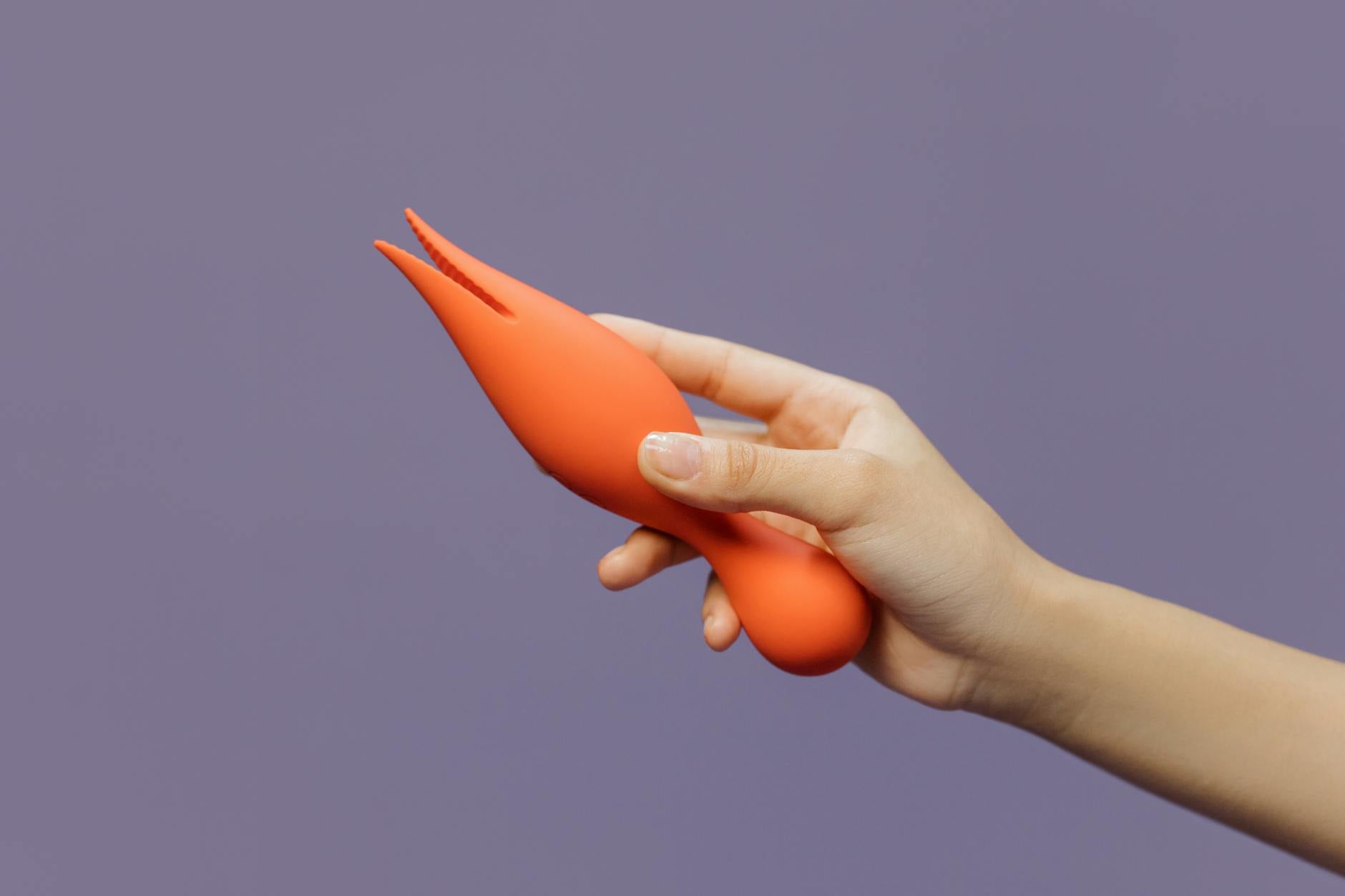
Here's what I see in my practice: women who loved sex before birth feel completely disconnected from their bodies afterward. Not because they don't love their partner. Not because they're broken. But because the physical and emotional landscape has shifted so completely that the old ways of touching don't work anymore. That's where lemon vibrators come in. Not as a band-aid. As a tool to help you find sensation again, on your own timeline, without pressure.
What actually happens to your pleasure after childbirth
Let's skip past the guilt and get to the mechanics. Birth trauma to the pelvic floor is real, whether you had a vaginal delivery or a cesarean. The tissues are swollen, nerve pathways are disrupted, and muscle memory is off. Your estrogen tanks when you're breastfeeding. This combination makes touch feel numb, raw, or weirdly disconnected. Some women describe it as touching someone else's body instead of their own.
But here's what people don't tell you: this isn't permanent, and it's not a reflection of your desire. Your clitoral nerve endings are still there. Your brain's capacity for arousal hasn't gone anywhere. What's changed is the immediate response time and the amount of direct stimulation that feels good versus too intense. That's exactly where air-suction technology helps.
Unlike traditional vibrators that rely on direct percussion, lemon sucker vibrators work through gentle wave patterns and suction. For postpartum bodies especially, this means less raw sensation against already-tender tissue and more ability to build arousal gradually, which is usually what's needed.
The first 12 weeks: touching is optional
I want to be clear about this: if you're not ready to explore pleasure for the first three months after birth, that's completely normal. Your body is healing, your nervous system is dysregulated, and your entire identity just shifted. Solo exploration should only happen if you actively want it, not because you're trying to get back on schedule.
But if you do want to start reconnecting with your own body (which some women do around week 8-12), a lemon clitoral vibrator is gentler than your hand or a partner's touch for several reasons. You control the intensity completely. You don't have to manage anyone else's feelings or expectations. And the suction motion is less likely to trigger that raw, overstimulated feeling that makes postpartum bodies recoil.
Start with pattern one at the lowest setting. Give yourself 15-20 minutes without a goal. This isn't about orgasm. It's about reconnecting your brain to the idea that this body still has sensation.
Weeks 12-24: rebuilding with a partner
After you've cleared it with your doctor (and honestly, some women need 4-6 months, and that's fine), introducing a lemon vibrator into partnered intimacy can be a bridge. It removes the pressure for your body to respond immediately. Your partner holds the vibrator, you control where and how much sensation happens, and you're both exploring together rather than trying to resurrect the old version of your sex life.
Here's the thing about postpartum bodies and partners: sometimes the issue isn't connection. It's that your partner is terrified of hurting you, you're terrified of feeling pain, and neither of you is saying it out loud. A vibrator becomes a third entity that takes some of that pressure away. It's less about replacing your partner and more about giving both of you permission to go slow.
Talk about it first. "I want to try using a vibrator not because something's wrong with us, but because my body is still figuring out what feels good" is a sentence worth saying.
Managing the mental part (which is honestly bigger than the physical part)
Postpartum bodies trigger a weird grief. You're simultaneously ecstatic about your baby and mourning the version of yourself you were before. Your body doesn't look the same. Your breasts might be full and tender (or deflated and sad, depending on whether you're breastfeeding). Stretch marks have appeared. Your pelvic floor betrayed you by needing pads or accidentally leaking when you cough. The idea of being touched sexually can feel like being touched by a stranger in your own skin.
A lemon vibrator doesn't solve the grief. But it can help you move through it faster by reminding you that your body is still capable of pleasure, even if it's different pleasure than before. That distinction matters because it stops you from comparing your current experience to your pre-baby self.
If you're struggling with how your body looks or feels, that's worth talking about with a therapist or your partner. But in the meantime, knowing that clitoral sensation can still be strong even when everything else feels numb can be weirdly affirming. Your pleasure is still in there. It's just been reorganized.
The timeline talk (because everyone's is different)
Some women are ready for partnered sex at 6 weeks. Some need 6 months. Both are normal. Some women want to use a lemon vibrator solo at 8 weeks. Some don't feel the urge until a year postpartum when breastfeeding hormones have finally shifted. There's no "right" time, and anyone who implies there is hasn't been inside your postpartum nervous system.
What I tell clients: your body will give you signals. A genuine desire to be touched (not obligatory, not managing your partner's expectations). A moment where you're not immediately touched out. An hour where you're not covered in someone else's fluids. When those things align, that's your opening. That might be week 6. It might be month 9. Start solo if you want to. Use a lemon clitoral vibrator. See what sensation is available. No rush. No judgment.
Troubleshooting the common blocks
It feels uncomfortable. You might be trying too soon (totally okay, wait another week or two), or the tissue is still sensitive (water-based lube helps). Start with pattern 1 for 3-5 minutes instead of longer sessions. Your pelvic floor might tense up protectively, which is your nervous system saying "slow down." Listen to it.
It feels numb. That's the postpartum hormones and nervous system dysregulation talking, not a permanent condition. Consistency helps more than intensity. Spending 10 minutes with a lemon vibrator twice a week will rebuild neural pathways faster than one long session.
I feel guilty for wanting this. You're not being selfish. Reconnecting with your own pleasure is part of rebuilding your identity after becoming a parent. It's not in competition with loving your baby or your partner. It's for you. That's the whole point.
My partner is awkward about it. Some partners see a vibrator and think it's criticism. Have the conversation directly. "I want us to explore this together because I want to feel good, and right now my body needs a different kind of touch than before." Most partners respond well to clarity and inclusion.
Why lemon vibrators specifically for postpartum bodies
Lemon sexual toys, especially the suction-based models, work better postpartum than traditional vibrators for a few reasons. The sensation is more diffuse and less likely to trigger oversensitivity on healing tissue. The suction motion is closer to how oral sex feels, which many women find more intuitive than percussion. And because you're controlling the intensity through suction strength rather than vibration speed, you have more precise control over how much sensation you want.
A lemon clitoral vibrator also doesn't require penetration, which matters because many postpartum women aren't ready for that, even if they're cleared by their doctor. Solo pleasure without that component can feel less fraught.
Coming back to your body, your way
Postpartum pleasure isn't about getting back to where you were. It's about discovering where you are now. Your nervous system has been rewired by pregnancy and birth and the relentless activation of early parenthood. Your brain has new patterns. Your body has new sensitivities and possibly new capacities too. Some women report that their most intense orgasms happen after they've had kids. Others find that their pleasure is quieter and more internal. Both are true.
A lemon vibrator is just a tool. The real work is giving yourself permission to explore without shame, without a timeline, and without comparing your journey to anyone else's. Your body survived something enormous. It deserves tenderness. And it deserves pleasure. Even if you have to rebuild it from scratch.
Common questions about lemon vibrators postpartum
Can I use a lemon clitoral vibrator if I'm breastfeeding?
Completely safe. The vibrator doesn't affect milk supply or hormones. That said, if your breasts are tender, you might want to avoid direct stimulation there. The lemon vibrator is designed for clitoral use, so you have control over where sensation happens.
How long after birth should I wait before using a lemon vibrator?
If you've had a vaginal delivery with tearing, most providers recommend 6-8 weeks before vaginal penetration. For external clitoral stimulation with a vibrator, some women feel ready at 8-12 weeks, others need longer. There's no magic number. Wait until you feel genuinely curious about pleasure, not obligated.
Will using a vibrator affect my ability to orgasm with my partner?
No. In fact, knowing what intensity of sensation your body needs can help you communicate better with your partner. Some women find that exploring solo with a lemon vibrator actually improves partnered sex because they understand their own body better.
Is it normal to feel numb or disconnected during postpartum exploration?
Yes. Your nervous system is recovering from something massive. That numbness doesn't mean you're broken or that pleasure is gone forever. It usually resolves over weeks or months as your hormones stabilize and your nervous system downregulates. Consistent, gentle exploration can help speed that process.
Can I use a lemon sucker vibrator if I had a cesarean?
Absolutely. A cesarean doesn't affect clitoral sensation the way it might affect internal sensation for a while. External play is often easier to return to postpartum, regardless of birth method.
Should I tell my partner I'm using a vibrator postpartum?
If you're in a relationship, honesty helps. Many partners actually feel relieved that there's a tool supporting your pleasure while your body is healing. The conversation might feel awkward for 30 seconds. The relief of being on the same page lasts much longer.